Table of Contents
- Alabama Home Selling
- Which Areas in Alabama Offer the Best Return on Investment and Are Easiest for Residential Property Development?
- What Home Styles, Sizes, and Features Tend to Sell Fastest in the Alabama Market?
- What Should Home Sellers Know About Zoning Laws, Permits, and Regulatory Requirements in Alabama?
- Which Towns or Cities in Alabama Are Easiest, and Hardest, When It Comes to Navigating Real Estate Regulations?
- What Are the Most Effective Flipping and Resale Strategies for Maximizing Profit in Alabama's Housing Market?
- How Should Sellers Price Their Homes to Attract Buyers While Maximizing Value in Alabama?
- Which Key Economic, Social, and Regulatory Factors Are Driving Current Trends in Alabama's Local Property Markets?
Alabama Home Selling

Trends in the Alabama real estate market indicate increasing inventory with more active listings and consistent demand, largely due to a strong labor market.
With a median sale price of around $235,000, Alabama offers a very manageable entry point for buyers and investors. This figure puts home prices in the state well below the national median of around $415,000, as well as pricier neighbors like Florida, Georgia, and Tennessee.
The number of sales remains relatively stable in the state, with around 5,000 homes sold each month. As with many other areas, the housing market in Alabama tends to be most active during the spring and summer.
Homes in Alabama typically spend around 60-70 days on the market, which is around 10 days longer than the national median. However, in higher-demand places like Huntsville or certain neighborhoods in Birmingham, homes may sell faster.
The Yellowhammer State had about four months of inventory in September 2025, unchanged from the prior year, pointing to a balanced market that slightly favored sellers. While homebuilding across the state remains consistent with its population, labor shortages continue to create challenges for builders and limit growth.
One of Alabama's unique advantages is its real-estate tax environment. The state's average effective property tax rate is just 0.38%, a figure lower than every state in the nation except Hawaii. This low rate, when coupled with the state's affordable home prices, results in an estimated annual tax bill of only $738 on a median-priced home, the lowest in the country.
Foreclosure activity in Alabama is modest, with a foreclosure rate that puts the state slightly above the national median. As foreclosure activity ticked up in Q3 2025, cities like Birmingham and Mobile continue to offer foreclosure-related opportunities for investors looking for value in distressed assets.
Which Areas in Alabama Offer the Best Return on Investment and Are Easiest for Residential Property Development?
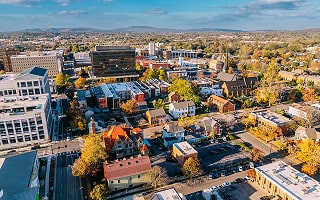
Numerous opportunities exist in the Alabama real estate market for investors seeking to grow their portfolios or generate a solid return on investment (ROI). With its scenic coastal towns and bustling cities, the Yellowhammer State offers varying options and exit strategies at diverse price points.
Investors and buyers exploring a real estate purchase in Alabama should consider the following locations, which may offer attractive ROI potential:
-
Huntsville: This location remains a stable rental market in Alabama, largely due to the presence of the defense, aerospace, and technology sectors. The median home price in Huntsville is very affordable compared with national averages, offering investors potential opportunities for strong cash flow. Moreover, the appreciation rates for properties in this market have regularly outpaced many others in Alabama.
-
Birmingham: Significant revitalization efforts, including the transformation of neglected areas into vibrant neighborhoods, have upgraded Birmingham's local property market into one of Alabama's top choices. The city is also home to a major medical hub supported by the University of Alabama at Birmingham (UAB), which employs more than 23,000 people. Investors looking for below-market prices will find Birmingham a solid choice for investment.
-
Auburn: With a student population of more than 33,000 and 10,000 employees, Auburn University supports consistent rental demand in the city. Commercial and residential properties tend to perform well in Auburn as a result of the influence of the educational institution and continued local developments.
-
Tuscaloosa: With more than 42,000 students, the University of Alabama supports strong demand for rental housing. Enrollment at the university continues to rise, thanks to the institution's national prominence in athletics, research, and academics. Ongoing expansion projects and the growth of the university continue to drive local property appreciation, especially in nearby areas with easy access to the institution.
-
Madison County: Rising property values and economic stability in this region make Madison County one of Alabama's prime investment locations. Hazel Green, Huntsville, and the City of Madison are some top investment options in the county. The City of Madison is listed as one of the 10 wealthiest cities in Alabama, with a median household income of around $87,000.
-
Gulf Shores: This location is one of the top options for investors seeking profitable vacation rental opportunities, with yields of up to 10% annually. Investors in Gulf Shores vacation rentals earn a median of $62,000 per year. However, it's important to consider seasonal tourism patterns, as the summer months often provide higher rental income and occupancy rates.
-
Montgomery: As Alabama's state capital, Montgomery's real estate market is influenced by the city's status as a cultural and political hub. In addition, the presence of military personnel from the Maxwell-Gunter Air Force Base, located just 5 miles west of downtown Montgomery, also adds consistent rental demand to the area. Some of the best places to consider purchasing a property in Montgomery include Coosada, Blue Ridge, and Pine Level.
-
Dothan: If you're searching for inexpensive homes with the potential for high appreciation rates, Dothan will likely rank high on your list of target markets. The city was rated as one of the fastest-growing cities in the previous decade, with a population increase of more than 8%. Thanks to manageable entry-level prices, up to 60% of residents in Dothan are homeowners.
-
Fairhope: This town has a thriving tourism economy and cultural activities, providing strong demand for rentals throughout the year. Its high quality of life and walkable downtown boost long-term appreciation, though limited developable land keeps inventory tight, putting upward pressure on home values.
-
Calera: Located south of Pelham, Calera has enjoyed rapid population growth and high homeownership rates. With an average price of around $220,000, easy access to Interstate-65, and new master-planned communities offering modern single-family rentals, Calera continues to attract local and out-of-state property investors.
What Home Styles, Sizes, and Features Tend to Sell Fastest in the Alabama Market?
Typically, Alabama propertiesspend around 60-70 days on the market before selling. However, in high-demand places like Huntsville and Birmingham, well-priced homes with popular characteristics can sell much faster.
Some of the characteristics that may make your property sell faster in Alabama include the following:
-
![]() Bedrooms: In Alabama homes that sell fastestoften have 3 bedrooms. Properties with 3 bedrooms are in high demand across the state, especially in suburbs like Trussville, Daphne, and Phenix City. They're the preferred choice for many young families and downsizers, offering a balance between affordability and space. 4-bedroom homes also tend to sell quickly in family-focused suburbs such as Prattville and Madison. In urban areas like Birmingham and Tuscaloosa, 2-bedroom homes also tend to be popular, appealing to singles, couples, and smaller households.
Bedrooms: In Alabama homes that sell fastestoften have 3 bedrooms. Properties with 3 bedrooms are in high demand across the state, especially in suburbs like Trussville, Daphne, and Phenix City. They're the preferred choice for many young families and downsizers, offering a balance between affordability and space. 4-bedroom homes also tend to sell quickly in family-focused suburbs such as Prattville and Madison. In urban areas like Birmingham and Tuscaloosa, 2-bedroom homes also tend to be popular, appealing to singles, couples, and smaller households.
-
![]() Size and Lot: The sweet spot for home sizes in Alabama is 1,500-2,500 square feet, which fits the needs of most families while remaining within typical budgets. Homes with lot sizes of around 0.25-0.5 acres tend to sell fast in suburban markets like Hoover and Pelham, where outdoor space is valued but manageable. In more rural places like Wetumpka and Cullman, larger lots such as those with one acre, may attract interest, especially if the home is move-in ready and modestly priced.
Size and Lot: The sweet spot for home sizes in Alabama is 1,500-2,500 square feet, which fits the needs of most families while remaining within typical budgets. Homes with lot sizes of around 0.25-0.5 acres tend to sell fast in suburban markets like Hoover and Pelham, where outdoor space is valued but manageable. In more rural places like Wetumpka and Cullman, larger lots such as those with one acre, may attract interest, especially if the home is move-in ready and modestly priced.
-
![]()
Style: Ranch-style homes remain popular, especially among first-time homebuyers and older buyers, as their single-story layout is accessible and easy to maintain. Traditional brick homes are often sought after in places like Decatur and Montgomery. This is because buyers value their durability and Southern aesthetic.
Craftsman-style homes, typically seen in revitalized neighborhoods such as Birmingham's Avondale, attract faster sales due to their curb appeal and details. However, modern farmhouse designs with open layouts and large porches are increasingly popular in exurban areas and new developments.
-
![]()
Modern Upgrades: Modern upgrades often mean that a home sells more quickly than a comparable property without them. Updated kitchens and bathrooms are among the top-selling features in Alabama homes, as well as granite or quartz countertops, stainless steel appliances, and double vanities. In addition, energy-efficient features like new HVAC systems, smart thermostats, and updated windows are attractive to buyers, especially in cities like Huntsville.
Overall, move-in-ready homes with recent upgrades tend to sell significantly faster than homes needing structural or cosmetic repairs, especially in fast-paced suburban markets.


What Should Home Sellers Know About Zoning Laws, Permits, and Regulatory Requirements in Alabama?
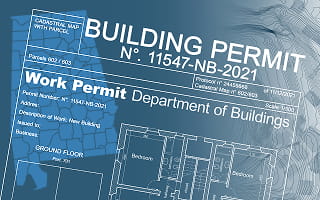
Home sellers and developers in Alabama need to be fully informed about zoning laws, permitting, and regulatory requirements, as these directly impact legal compliance, returns on investment, and buyers' trust. Additionally, in many places in Alabama, buyers request a zoning verification or compliance letter to confirm a property's zoning status and permitted uses, and help prevent surprises during the sale.
Enforcement levels for zoning laws and other regulatory requirements vary in Alabama. Examples include the following:
-
Jurisdictions with strict zoning laws: In Jefferson County and the city of Birmingham, property owners are required to comply with detailed regulations on lot size, building height, and setback requirements. The City of Hoover also enforces highly specific zoning classifications and requires detailed site plans, legal surveys, and traffic impact analyses for rezoning, conditional use permits, or PUD (Planned Unit Development) applications. This process involves strict documentation and procedural compliance.
Another location where strict zoning laws exist is the City of Madison, which applies a rigorous review process for new developments, especially subdivisions. Developers must provide preliminary plats, conduct engineering reviews, and adhere to detailed design standards - even before final zoning approval.
-
Areas with less bureaucratic zoning laws: Many of Alabama's rural counties impose minimal or no formal zoning regulations, giving sellers flexibility but requiring them to verify any informal, neighborhood-level guidelines. The City of Mobile also offers relatively straightforward zoning requests and a clear application process for Zoning Certification Letters. The city's BuildMobile portal makes information access simple, and approvals are typically processed within 10 business days.
Additionally, in the City of Montgomery, the zoning compliance system is user-friendly and efficient. Requests for zoning verification are typically processed within three days, and the city also provides online permit tracking tools.
-
Jurisdictions requiring a special permit via public hearing and approval from the zoning board: These locations often require a special permit via public hearing and board approvals for variations from designated land uses. For instance, Phenix City in Russell County uses a zoning matrix with designations for permitted by right, conditional use, or special exception. Any deviation from permitted use requires a public hearing, followed by approval from the Board of Zoning Adjustments & Appeals.
In the City of Hoover, all conditional use permit applications must pass through a public hearing with the Planning and Zoning Commission, followed by City Council approval. For special exceptions, the Board of Zoning Adjustment makes the final decision.
Note that Alabama Code Title 11-52-78 requires a public hearing and zoning board approval for rezonings or special use requests, such as operating a church, daycare, or home-based business. Similarly, in Birmingham, the Zoning Board of Adjustment typically holds monthly meetings where neighbors and applicants may voice support or concerns before any permit is granted.
-
Areas where a Certificate of Occupancy (CO) is mandatory before legal occupation: Many locations in Alabama require a CO before a property can be occupied following new construction, major renovations, or changes of use. For instance, Montgomery County mandates a Certificate of Occupancy for all major renovations, new structures, and changes in use, with more rigorous enforcement for properties in the City of Montgomery.
-
Areas where a historic commission must approve certain renovations and changes of appearance: In historic districts across Mobile, Montgomery, and Birmingham, any exterior renovation, changes in paint colors, or material swaps must be reviewed by the local Historic Preservation Commission.
Sellers need a Certificate of Appropriateness to confirm that planned work preserves the neighborhood's character, as outlined in Alabama Code 11-68-9. In Tuscaloosa, the Historic Preservation Commission oversees any alterations within designated historic districts.
Which Towns or Cities in Alabama Are Easiest, and Hardest, When It Comes to Navigating Real Estate Regulations?

Sellers who fail to comply with local zoning ordinances, permitting rules, and planning processes established by the state and local government authorities risk fines and potentially lower resale values. That's why it's critical for developers and homeowners to recognize which areas are development friendly and which ones tend to be more bureaucratic, before proceeding to invest or apply for building permits. Conducting this basic due diligence can help avoid delays and legal complications, maximizing potential ROI.
The following shows a breakdown of the regulatory climate in several towns, cities, and counties in Alabama:
Development-Friendly Areas

In these jurisdictions, local governments actively encourage new construction and investment. They also typically have streamlined processes, clear guidance, and minimal red tape, allowing projects to move from concept to breaking ground quickly. Some examples include:
- Huntsville: This city has an online permit portal, fast-track site plan reviews, and a city council that actively courts new housing and commercial projects.
- Auburn-Opelika: Home to Auburn University, Auburn-Opelika has clear, flexible zoning maps and a planning office that guides developers through permitting. Also, its rapidly expanding economy and university-driven demand foster a growth-oriented regulatory environment with predictable planning processes.
- Unincorporated Baldwin County: Outside Fairhope and Gulf Shores, a significant portion of Baldwin County is unzoned, features simple building permit steps, and only requires a Certificate of Occupancy for new construction and changes in use.
Moderately Regulated Areas

These locations balance community interests with development needs. While regulations exist to protect neighborhoods and ensure orderly growth, they aren't so restrictive as to stall many new projects. Examples include:
- Montgomery: Montgomery enforces a standard zoning ordinance and mandates a Certificate of Occupancy after final inspections. Rezonings go before the planning commission, but the process is well documented and relatively easy for developers to comply with.
- Mobile: With several overlay districts, Mobile asks for variances via its Board of Zoning Adjustment but maintains clear checklists and a manageable hearing schedule.
- Madison: With rapid growth due to its high-quality schools and tech jobs, the city requires pre-development engineering reviews and preliminary plats, though overall the system remains accessible to compliant developers.
- Decatur: Decatur encourages development through major river-based projects and optimistic infrastructure planning, while enforcing standard planning requirements.
Highly Restrictive or Bureaucratic Areas
In these places, developers face multiple layers of review, stringent design standards, and often unpredictable timelines. Examples include the following:
- Hoover: Rezoning and conditional use permits entail formal public hearings before both the Planning & Zoning Commission and City Council, with detailed documentation required.
- Bessemer: Faced vocal public resistance when officials explored major zoning changes to accommodate large data center development.
- Mountain Brook: Known for stringent design standards and small-lot zoning, developers face multiple commission reviews for architectural style, materials, and even fence heights.
- Fairhope: Its Historic District is overseen by a Historic Preservation Commission. Any change to exteriors or paint colors needs a Certificate of Appropriateness, which can take several weeks to approve.
Regulatory Climate Factors

Note that whether you're developing new subdivisions, renovating historic homes, or flipping properties, understanding local laws is critical for success in the Alabama real estate market. The regulatory climate factors in the state vary by locality and significantly affect property development, renovation, and flipping.
Factor |
Impact on Development |
Where It's Found |
|---|---|---|
Zoning Flexibility |
Determines ease of land use |
Montgomery, Auburn-Opelika, Decatur, Mobile, and Tuscaloosa. |
Historic Preservation Laws |
Adds restrictions |
Tuscaloosa, Montgomery, Mobile, Scottsboro, Courtland, and Selma. |
Wetlands/Conservation |
Limits buildable land |
Baldwin County (Fairhope, Daphne, Orange Beach), Mobile County, and Elberta. |
Inclusionary Zoning |
Requires affordable units |
Birmingham Metro (especially Homewood and Mountain Brook), and Huntsville (select overlay zones). |
Building Code Enforcement |
Affects cost/speed |
Hoover, Madison, Phenix City, Huntsville, and Montgomery. |
Local Politics/NIMBYism* |
Blocks or delays projects |
Bessemer, Enterprise, Troy, Hoover, Homewood, and Florence. |
*NIMBYism - Not in My Backyard
What Are the Most Effective Flipping and Resale Strategies for Maximizing Profit in Alabama's Housing Market?

Choosing the right flipping or resale strategy based on local market conditions is essential for minimizing the time a property spends on the market and maximizing potential profit. Each area in Alabama has unique buyer preferences, zoning rules, property types, and price sensitivities, so aligning your approach with local demand is key.
The following are some of the most effective and commonly used strategies for flipping homes in Alabama's housing market:
-
![]()
Target Distressed or Foreclosed Homes: With this strategy, distressed properties, such as those in auction, owned by the bank (REOs), or in pre-foreclosure, may be purchased at a discount and resold for significant profits after renovation. Targeting distressed or foreclosed homes can work well across the state, but may prove especially useful in Birmingham, which has a strong foreclosure inventory and investor activity; Mobile, with older housing stock and distressed listings; and Anniston, Gadsden, and Selma, with frequent tax sales.
-
![]()
Use the 70% Rule [Maximum Offer = (ARV x 70%) - Repair Costs]: The 70% Rule helps investors avoid overpaying, as it recommends paying no more than 70% of the after-repair value (ARV) minus estimated repair costs. The rule aims to ensure a reasonable profit after renovation and resale. For instance, if a home will sell for $300,000 after repairs and needs $40,000 worth of work, the maximum offer should be $170,000 (70% of $300,000, minus $40,000). This rule is applicable statewide but may be especially useful in competitive markets like Auburn, Huntsville, and Tuscaloosa.
-
![]()
Try Wholetailing for Speed: Wholetailing involves buying a home, doing light cosmetic updates, and reselling it quickly without a full renovation. This strategy reduces holding time and costs and works best in suburban areas with fast sales, such as Daphne, Chelsea, Trussville, and Pelham, where move-in-ready demand is high.
-
![]()
Build Strong Deal Pipelines with Lead Gen: To succeed as a flipper in the Alabama property market, you'll likely want to build ongoing lead generation systems. This may include working with wholesalers, using direct mail, online property alerts, or attending local real estate investor meetings. This strategy is particularly effective in places like Florence, Decatur, Montgomery, and Phenix City, where a steady flow of off-market and distressed opportunities exists.
-
![]()
Renovate with Quality, Don't Cut Corners: You may want to consider this strategy if you're investing in certain Alabama property markets where buyer expectations are higher and appraisers value quality upgrades. The strategy recommends that flippers prioritize quality in renovations and updates, as buyers in today's market prefer move-in-ready homes with updated kitchens, bathrooms, and energy-efficient features. This strategy suits places like Hoover, Madison, Auburn, and Huntsville.
-
![]()
Follow the BRRRR Method (Buy, Rehab, Rent, Refinance, Repeat): This strategy is best suited for investors looking to build a rental portfolio. It can work well in locations where rental demand is strong and property values are affordable, such as Montgomery, Huntsville, Anniston, and parts of Birmingham. With this strategy, investors buy a property, renovate it, and rent it out. Then, they take a cash-out refinance to fund additional real-estate purchases and repeat the process.
-
![]()
Try Micro-Flipping: Micro-flipping involves buying and reselling properties, usually without renovation, using online real estate platforms. It relies on speed and market timing and is effective for locations where demand is high and homes with minimal improvements sell quickly. Such locations include Madison and Huntsville.
-
![]()
Go Beyond Cosmetic Work (Value-Add Flipping): Value-add flipping involves increasing the value of a home by making structural or functional improvements, such as adding bedrooms, converting attics or basements, or turning single-family homes into multifamily units, where possible. Investors may use this strategy in Birmingham, growing markets like Chelsea and Huntsville, and locations with historic homes with expansion potential like Mobile's Midtown area.
-
![]()
Explore Creative Financing and Seller Financing: In situations where sellers have equity but need quick exits, seller financing or lease-purchase deals may help close sales without traditional bank loans. It's best suited for places like Montgomery, Gadsden, Talladega, and small towns where sellers may be flexible and properties typically take longer to sell.
-
![]()
Target FHA 203(k) Buyers: The FHA 203(k) loan allows property buyers to finance both the purchase and renovation of a primary residence. Investors who market to this buyer type can expand their audience and potentially save money on renovation and holding costs. The FHA 203(k)-buyer-targeting strategy is ideal for homes priced below $450,000 with basic but necessary repairs, and in locations such as Birmingham, Tuscaloosa, and Huntsville, where many first-time buyers use FHA loans.
-
![]()
Stage and Price Strategically: This strategy involves preparing and decorating a home to highlight its unique selling points and help potential buyers envision themselves living in the space. Professionally staged homes tend to sell significantly faster and for more money. Paired with proper pricing (based on recent comparables), this strategy helps maximize final sale value, and works best in urban and suburban markets like Hoover, Pelham, Auburn, and Huntsville, where staged homes stand out among competitive listings.
-
![]()
Buy at Auction and Off Market: County auctions, tax lien sales, estate sales, and other off-market channels can provide access to solidly discounted properties for experienced investors. Markets that may be suitable for this strategy include Mobile County, Jefferson County, and rural counties such as Perry, Wilcox, and Pickens, where competition is lower.


How Should Sellers Price Their Homes to Attract Buyers While Maximizing Value in Alabama?
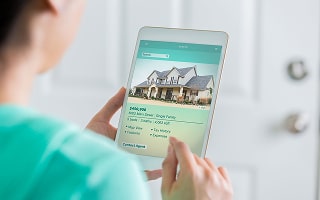
Using a single strategy as a home seller, regardless of your location and local market conditions in Alabama, may not always work well. To avoid having properties sit on the market for extended periods, sellers should consider working with a local real estate agent or appraiser to help set the right price. An agent or appraiser can analyze active, pending, and sold comps in the area in the last 90 days, which informs sellers how to set market-aligned prices that can promote quick sales.
The following pricing strategies may be used to maximize value while remaining competitive in Alabama:
-
![]() Pricing Just Below Below Market Thresholds: This strategy requires sellers to adjust their pricing to sit slightly under common search thresholds. For example, choosing $299,900 instead of $300,000 can boost a listing's online visibility and appeal. This strategy helps provide more exposure to buyers using tight search filters, and works well in suburban markets like Hoover, Pelham, and Chelsea.
Pricing Just Below Below Market Thresholds: This strategy requires sellers to adjust their pricing to sit slightly under common search thresholds. For example, choosing $299,900 instead of $300,000 can boost a listing's online visibility and appeal. This strategy helps provide more exposure to buyers using tight search filters, and works well in suburban markets like Hoover, Pelham, and Chelsea.
-
![]() Charm Pricing (Psychological Pricing): Charm pricing, also called psychological pricing, uses left-digit bias to make the price of the property feel more approachable to the buyer. For instance, instead of setting a price at $300,000, the home seller may set it at $299,900. This strategy is common in areas such as Daphne and Madison, where buyers are often budget-conscious but ready to act.
Charm Pricing (Psychological Pricing): Charm pricing, also called psychological pricing, uses left-digit bias to make the price of the property feel more approachable to the buyer. For instance, instead of setting a price at $300,000, the home seller may set it at $299,900. This strategy is common in areas such as Daphne and Madison, where buyers are often budget-conscious but ready to act.
-
![]() Pricing to Create a Bidding War: Here, the home seller lists just under market value to attract multiple offers and competition. This often leads to offers above asking. Pricing to create a bidding war is especially useful in highly-rated school districts and seller's markets, such as Huntsville-Madison, Birmingham proper, and select Mobile neighborhoods during peak season.
Pricing to Create a Bidding War: Here, the home seller lists just under market value to attract multiple offers and competition. This often leads to offers above asking. Pricing to create a bidding war is especially useful in highly-rated school districts and seller's markets, such as Huntsville-Madison, Birmingham proper, and select Mobile neighborhoods during peak season.
-
![]() High-Anchor Pricing (Test the Waters): This strategy involves pricing at the top of your comp range to attract higher offers, leaving room for negotiation. It suits locations with unique homes and desirable neighborhoods, such as Auburn, Hoover, or premium Baldwin County areas.
High-Anchor Pricing (Test the Waters): This strategy involves pricing at the top of your comp range to attract higher offers, leaving room for negotiation. It suits locations with unique homes and desirable neighborhoods, such as Auburn, Hoover, or premium Baldwin County areas.
-
![]() Price-Per-Square-Foot Benchmarking: In certain subdivisions, cookie-cutter neighborhoods, and condo markets, buyers often compare properties on a per-square-foot basis. In these cases, sellers who price their properties to match or beat neighborhood norms often attract more attention. This strategy works well in areas like Hoover, Vestavia Hills, and Madison subdivisions.
Price-Per-Square-Foot Benchmarking: In certain subdivisions, cookie-cutter neighborhoods, and condo markets, buyers often compare properties on a per-square-foot basis. In these cases, sellers who price their properties to match or beat neighborhood norms often attract more attention. This strategy works well in areas like Hoover, Vestavia Hills, and Madison subdivisions.
-
![]() Appraisal-Backed Pricing: This strategy is useful when targeting FHA and VA buyers. It involves pricing a property near the expected appraisal value to avoid low appraisals and financing issues. The strategy suits locations such as Tuscaloosa, Birmingham, and Huntsville, where many buyers rely on government-backed loans.
Appraisal-Backed Pricing: This strategy is useful when targeting FHA and VA buyers. It involves pricing a property near the expected appraisal value to avoid low appraisals and financing issues. The strategy suits locations such as Tuscaloosa, Birmingham, and Huntsville, where many buyers rely on government-backed loans.
-
![]() Net-to-Seller Pricing: The net-to-seller pricing strategy calculates seller profits after commissions and closing costs. The aim is to help sellers price more realistically to meet their financial goals. While the strategy is applicable statewide, it's especially relevant to sellers who need specific net proceeds, or in rural counties where negotiation is important.
Net-to-Seller Pricing: The net-to-seller pricing strategy calculates seller profits after commissions and closing costs. The aim is to help sellers price more realistically to meet their financial goals. While the strategy is applicable statewide, it's especially relevant to sellers who need specific net proceeds, or in rural counties where negotiation is important.
-
![]() Urgency Pricing (Motivated Seller Strategy): Urgent pricing is a selling method used to accelerate a home sale due to a time-sensitive situation, such as an estate sale, pre-foreclosure, or relocation. It's suitable for distressed properties in Anniston, Selma, and Gadsden, and in low-inventory rural markets.
Urgency Pricing (Motivated Seller Strategy): Urgent pricing is a selling method used to accelerate a home sale due to a time-sensitive situation, such as an estate sale, pre-foreclosure, or relocation. It's suitable for distressed properties in Anniston, Selma, and Gadsden, and in low-inventory rural markets.


Property sellers in Alabama may adopt the following pricing strategies based on market conditions in the areas where their properties are located:
Market Condition |
Best Strategy |
Seller's Market |
Underpricing for a bidding war |
Buyer's Market |
Charm pricing or net-to-seller |
Unique, luxury home |
High-anchor + value justification |
Entry-level home |
Just below threshold |
Urgent sale needed |
Aggressive urgency pricing |
Flipper or investor listing |
Appraisal-backed or price-per-square-foot |
Which Key Economic, Social, and Regulatory Factors Are Driving Current Trends in Alabama's Local Property Markets?

Current trends in Alabama's local property markets are impacted by a wide range of factors, including the following:
![]() Economic Factors
Economic Factors
 Economic Factors
Alabama's economy has grown consistently in recent quarters, with the state recording a GDP increase of 3.8% and personal income growth of 5.4% in Q4 2024. This puts the Yellowhammer State among the top five states for income growth in the United States.
Industries such as aerospace, defense, automotive manufacturing, healthcare, and education continue to expand, supporting job creation in places like Montgomery, Tuscaloosa, Huntsville, and Auburn.
Despite national inflation trends, Alabama's cost of living remains low, as the state's cost of living index is estimated at 87.9, putting it among the most affordable states in the U.S. In addition, construction activity in the Yellowhammer State is rising, especially in northern and central Alabama, as developers respond to growing housing demand with increased inventory.
![]() Demographic and Social Factors
Demographic and Social Factors
 Demographic and Social Factors
Migration trends play an important role in shaping the state's housing market, with Alabama ranking as one of the most popular states for inbound migration. Notable population inflows to the state were recorded in places like Huntsville, Madison, Auburn, and Daphne.
This population inflow is largely driven by job opportunities, affordable home prices, and quality of life. Retirees relocating to Alabama often prefer coastal areas like Fairhope and Orange Beach, as these locations typically have lower taxes and relaxed lifestyles. Younger professionals and families often choose suburban and tech hubs like Madison and Huntsville, which offer employment opportunities in the fields of aerospace, software, and engineering.
![]() Regulatory and Legal Framework
Regulatory and Legal Framework
 Regulatory and Legal Framework
Local jurisdictions establish comprehensive plans, use classifications, and overlay districts, leading to differences in zoning laws and land-use regulations across the state. The extent and strictness of these regulations can, in turn, influence the pace and scale of real estate development in each area. Cities like Montgomery have adopted SmartCode or other flexible zoning ordinances, which support mixed-use developments and urban revitalization.
On the other hand, jurisdictions like Hoover and Birmingham have stricter regulatory processes, including mandatory public hearings and zoning board approvals for rezoning or high-density projects.
The variation in zoning laws and land-use regulations in the Yellowhammer State makes investor entry and development easier in some places while posing challenges and introducing potential obstacles in others.
![]() Taxation and Fiscal Policy
Taxation and Fiscal Policy
 Taxation and Fiscal Policy
Owner-occupied residential property in Alabama is assessed at 10% of market value and 20% for commercial property. Local millage rates produce one of the nation's lowest per-capita property tax burdens. The state's progressive income tax, ranging from 2% to 5%, applies equally to capital gains, shaping investor return calculations.
In Alabama, first-time buyers can benefit from mortgage credit certificates, and targeted redevelopment zones often offer tax abatements for new construction or rehabilitation.
Alabama doesn't impose estate taxes or state-level taxes on Social Security benefits, making it an attractive destination for retirees. In addition, for developers, the Alabama Workforce Housing Tax Credit, passed in 2023, provides $5 million in annual credits through 2027 to support the development of affordable housing.
![]() Housing Policy and Government Programs
Housing Policy and Government Programs
Alabama's housing policies aim to boost homeownership and support affordable development. For instance, the Alabama Housing Finance Authority (AHFA) offers programs like low-interest mortgage loans, down payment assistance, and multifamily housing incentives. Additionally, U.S. Department of Housing and Urban Development's Comprehensive Housing Market Analyses provide data-backed assessments of Alabama's major metro areas to guide local governments, developers, and lenders in making policy and investment decisions.
![]() Infrastructure and Development Trends
Infrastructure and Development Trends
 Infrastructure and Development Trends
Major industrial projects, such as Novelis' $2.5 billion aluminum mill in Bay Minette and expansions by Airbus, Hyundai, and Toyota in the Huntsville-Decatur corridor, have created regional employment hubs that drive nearby housing demand. Also, improvements to Interstate 65, Interstate 85, and Interstate 565 have improved connectivity, boosting property values in both suburban and rural areas.
![]() Market Sentiment and Investor Behavior
Market Sentiment and Investor Behavior
 Market Sentiment and Investor Behavior
Alabama remains one of the top real-estate markets in the nation for institutional activity, with institutional buyers accounting for 11% of all residential sales. Many of these sales were in metro areas such as Huntsville, Birmingham, and Montgomery.
In terms of supply, an 8.2% year-over-year increase brought the total number of homes for sale to nearly 29,000 in October 2025, reflecting a 4-month supply of homes. This shift points toward a more balanced market that offers buyers some flexibility and choice, while supporting continued activity.
With a median sale price of around $235,000, Alabama homes remain affordable by national standards. First-time buyers are especially active in markets like Auburn, Tuscaloosa, and Decatur, where starter homes are still accessible.
The housing market in Alabama has continued on a stable road toward recovery in 2025, with gains in inventory, prices, and sales bringing the conditions of the state's real estate climate closer to pre-pandemic patterns. With high-demand markets like Huntsville and strong rental corridors in college towns like Tuscaloosa and Auburn, the state continues to be a fertile ground for real estate investors seeking shorter-term profits and long-term portfolio growth.
Other factors drawing investors to Alabama include its affordability, business-friendly climate, low taxes, and ongoing infrastructure improvements. In addition, the presence of thriving industries and military installations supports demand for residential properties across multiple markets.
However, to succeed in the Alabama real estate market, investors must do more than identify the right location. Buyers, sellers, and developers should always understand local regulatory climates, zoning laws, and permit requirements that can affect project timelines and profitability. Similarly, choosing the right pricing and resale strategies based on property features and market demand plays a vital role in securing the best possible returns.
So, whether you're pursuing high-yield rental properties in university towns, flipping undervalued homes in revitalizing neighborhoods, or developing modern housing in growth-friendly jurisdictions, success in Alabama depends on pairing the right strategy with the right local market conditions. By staying informed and compliant with local guidelines, and by aligning efforts with current economic and social trends, real estate investors can focus on making confident decisions and maximizing ROI.
Table of Contents
- Alabama Home Selling
- Which Areas in Alabama Offer the Best Return on Investment and Are Easiest for Residential Property Development?
- What Home Styles, Sizes, and Features Tend to Sell Fastest in the Alabama Market?
- What Should Home Sellers Know About Zoning Laws, Permits, and Regulatory Requirements in Alabama?
- Which Towns or Cities in Alabama Are Easiest, and Hardest, When It Comes to Navigating Real Estate Regulations?
- What Are the Most Effective Flipping and Resale Strategies for Maximizing Profit in Alabama's Housing Market?
- How Should Sellers Price Their Homes to Attract Buyers While Maximizing Value in Alabama?
- Which Key Economic, Social, and Regulatory Factors Are Driving Current Trends in Alabama's Local Property Markets?